Introduction
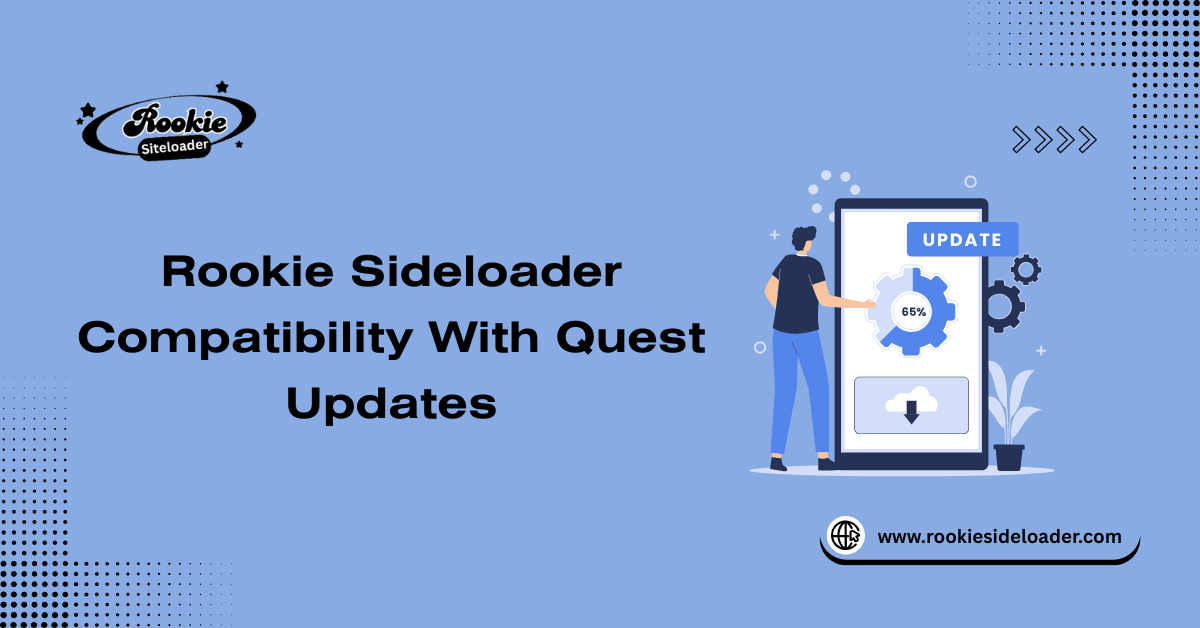
Sideloading with Rookie Sideloader creates a constant conflict with Meta’s official updates. Every Quest Updates firmware release is engineered to tighten security, often leading to immediate breakage of third-party tools. This guide details the structure of those conflicts and the necessary countermeasures.
Why Compatibility Matters After Every Quest Update
Why Compatibility Matters After every Quest update, it boils down to the sensitive handshake between your PC and the headset; the slightest change to the Quest’s operating system can invalidate the ADB protocols used by the sideloading tool, rendering it unusable immediately.
What Changes When Quest Gets Updated
Quest firmware releases are far more than feature additions; they are deep system modifications.
- Core OS and Firmware Adjustments: These can alter how the system boots, manages storage, and allocates resources, often affecting the environment in which sideloaded apps run.
- Security, Permissions, and Policy Shifts: Meta implements continuous security, permissions, and policy shifts, specifically modifying the security layers that govern access via external tools like ADB, which is the primary cause of post-update failure.

What Breaks After Quest Updates
The updates primarily target the communication channel and app indexing.
USB and ADB Communication Failures:
The most common immediate symptom is the PC’s connection request being rejected, resulting in USB and ADB communication failures (i.e., the headset is no longer detected by the PC tool).
Install Permissions and Unknown Sources Issues:
The app may be transferred, but Quest OS refuses to grant the required execution rights, preventing the app from launching.
App Visibility and Library Sync Problems:
Even after successful installation, the sideloaded app may fail to appear in the “Unknown Sources” list due to issues with Quest’s internal library indexer.
What Stays Safe and Keeps Working
Not every function is impacted; some elements remain resilient.
- Stable Sideloading Functions: The core logic in Rookie Sideloader for file extraction, data verification, and download management typically remains stable on the PC.
- Trusted App Installation Methods: Sideloaded applications that adhere strictly to standard Android manifest protocols for installation and file storage often continue to function, even if the method used to push them (ADB) temporarily fails.
- Core Rookie Sideloader Features: User preferences, configuration settings, and connections to the content repository are generally preserved.
Why Compatibility Issues Appear
The core problem is the mismatch between the two systems.
Quest Firmware and Tool Version Mismatch:
Compatibility issues arise from the inherent mismatch between Quest’s firmware and tool versions, forcing the sideloading tool’s developers to keep pace with Meta’s changes.
Backend Security Enforcement Changes:
Updates often silently alter key variables, invalidating the protocols used by previous versions of Rookie Sideloader.
How to Check Compatibility Before Updating Quest
Prudence is the best defense against incompatibility.
Matching Quest Version With Rookie Build:
Check community forums or official release notes. Ensure that a compatible and stable Rookie Sideloader build is confirmed to work with the specific Quest firmware version you are about to install.
Warning Signs Before Updating:
If the community reports widespread issues, such as device detection failures, or the sideloading tool has not released a patch for the latest firmware, consider this a clear warning sign before updating.
How to Fix Compatibility Issues After an Update
If the tool is already broken, follow this sequential recovery plan.
- Quick Fixes for Minor Breaks:
- Restart both the PC and the Quest headset fully.
- Attempt to re-enable Developer Mode on the Quest.
- Check for the app in the “Unknown Sources” filter on the Quest.
- Stability-Based Recovery Steps:
- Uninstall the current Rookie Sideloader version completely.
- Download and install the latest version of Rookie Sideloader, confirmed to be stable with your new Quest firmware.
- If that fails, perform a safe rollback to the last known-good version.
Best Practices to Stay Compatible Long-Term
A strategic approach minimizes future headaches.
- Smart Update Timing Strategy: Adopt a Smart Update Timing Strategy by waiting one to two weeks after a new Quest firmware release. This allows the sideloading tool developers time to release a patch and the community to confirm its stability.
- Backup and Rollback Readiness: Maintain backup and rollback readiness by keeping the installer file for the most recent stable Rookie Sideloader version on your PC, ensuring a fast recovery path.
FAQs
Do Quest updates break Rookie Sideloader compatibility?
Yes, Quest updates frequently break compatibility by modifying the ADB communication protocols and tightening system security.
What usually stops working after a Quest update?
The most common failures are USB and ADB communication failures (device not detected), installation permissions, and unknown sources issues.
Which Rookie Sideloader features remain safe?
Core Rookie Sideloader features such as local file downloading, file verification, and PC user configuration settings generally remain safe and functional.
Should Quest or Rookie Sideloader be updated first?
The sideloading tool should be updated after the Quest firmware change, but only after the community has confirmed the new tool version is stable.
How can I avoid compatibility issues in future updates?
Employ a smart update timing strategy and delay Quest firmware updates until a stable, compatible Rookie Sideloader patch is released.
Is it safe to delay Quest updates?
Yes, it is generally safe to delay Quest updates for several weeks or even months to preserve sideloading stability.
Can compatibility be restored without reinstalling?
Yes, minor breaks can often be fixed without reinstalling by restarting both devices, forcing a refresh of the ADB session and library index.
Conclusion
The goal is achieved by balancing Quest Updates and Rookie Stability. Recognize that official firmware updates prioritize security over third-party tool function, necessitating a cautious approach to maintain your sideloading capability.
The final piece of advice for staying up to date without breaking sideloading is to prioritize stability over immediacy. Wait for the developers to patch the tool, and never install a Quest firmware update until a reliable, corresponding Rookie Sideloader version is confirmed.
Latest Post: